
DIORA #DigitalBalance animations published for Mental Health Awareness Week
This year's Mental Health Awareness Week theme is Action. ...

This year's Mental Health Awareness Week theme is Action. ...
Dynamic Interplay of Online Risk and Resilience in Adolescence ...

Clearly, although social media and other online sites can be harmful to the mental health of men (as they can reinforce the harmful masculine norms in our society), they also provide opportunities for social support which would not otherwise be available to them. This is something that needs to change. It is hoped that the continued growth of these supportive online communities will eventually erode the stigmas which present a life-threatening risk to men. The question that remains is how can we maximise the positive influences of these supportive online communities while minimising those that are toxic and harmful?
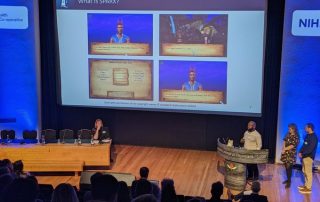
I’ve decided to do a blog about my highlights from being on Young People Advisory Groups (YPAGs) over the past few years, as I step into the 26 – 30 age bracket. There is always some anxiety around turning 25+ when you have been involved in YPAGs because there is little or no clarity on what happens after 25 (in the patient and public involvement world) - are there more / fewer opportunities for meaningful involvement after 25?

Within this sector of mental health research, I have been collaborating as a part of the Digital Youth research programme and Sprouting Minds group, with researchers Jess, Petr and Ellen, who work with a co-designed fluffy robot called Purrble. This robot is currently being used as an emotion regulation intervention for young people who may be struggling with self-harm.

Lucy-Paige’s blog raises many issues that will resonate with young people about the impact that social media can have on people with, or at risk of, eating disorders.