

Young people share how they create a digital balance
Dynamic Interplay of Online Risk and Resilience in Adolescence (DIORA), one of our research projects, looked at how young people’s online activities shape their mental health and wellbeing.
The study, co-designed with adolescents, used tools such as the Digital Activity and Feelings Inventory (DAFI) the Digital Insight and Agency Scale (DIAS), and the Personal Experience in Everyday Life (PEEL) to shift the current narratives around screen time metrics and offer a more holistic understanding of what young people do online.
In the digital age, where most of our time is spent on screens, just saying “a high screen time is bad” cuts out the important nuance of how that time is being spent. For example, a young person could be using their phone for 4 hours a day; 1 hour might be spent scrolling on social media, 2 hours on homework e-learning platforms and the other hour spent chatting with their friends and family. These activities are varied and don’t all have the same impact on the user. It’s important to understand how this time makes young people feel, how they actively manage digital risks and what the consequences are for their mental health and wellbeing.
DIORA found that young people’s digital lives are deeply interwoven with their offline behaviours and their mental health in both positive and negative ways. Young people do show agency in managing digital risks are not passive to their online experiences. 78% of young people interviewed for the study were worried about the impact of digital activities on their mental health, and 82% had taken at least one action to address this; including seeking positive content, blocking or reporting others and taking social media breaks.
Well-thought through interventions could build on this rather than focusing only on reducing screen time. By further supporting young people through improved media literacy and allowing them to recognise their emotional responses to different forms of content, rather than merely restricting screentime can promote resilience and wellbeing in the digital age. It’s also important to centre young people in conversations about themselves and include them in decisions that directly impact them.
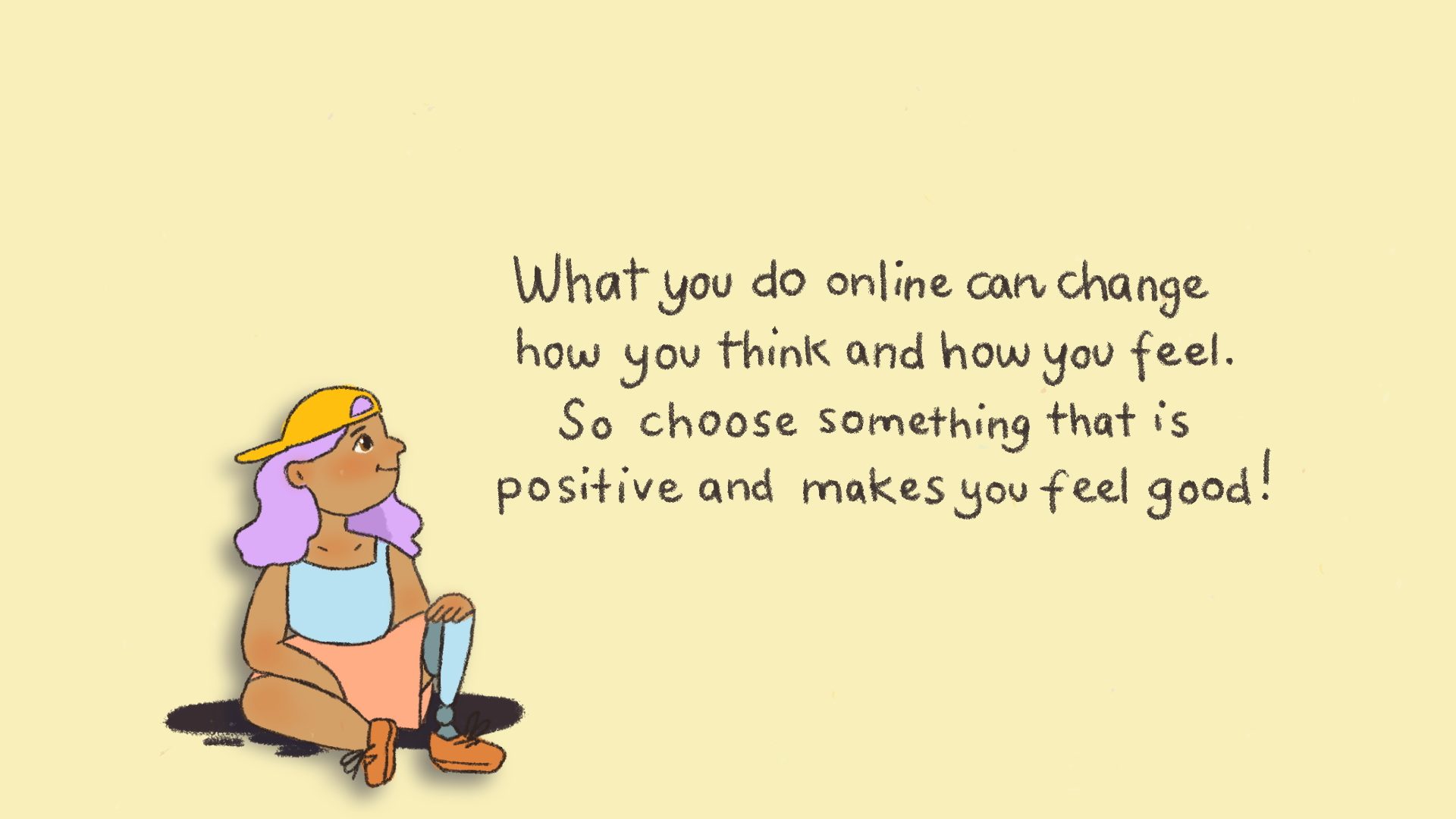
For this year’s Safer Internet Day which took place on 10th February 2026, the DIORA team created a short animation turning the study findings into bite-sized, practical tips and explaining the importance of digital balance. The animation below was co-designed and narrated by young people who were involved in the DIORA project.
Find out more about the DIORA project findings in the programme report:
Watch the animation below: